






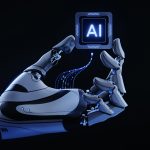



In recent years, artificial intelligence (AI) has transitioned from a futuristic concept to an integral part of everyday life, shaping how we live and work. The rapid advancement of AI technologies has ushered in what many refer to as the “new normal,” where human interaction with intelligent systems is routine and essential. This transformation affects various sectors, including healthcare, education, finance, manufacturing, and customer service, fundamentally altering traditional workflows and lifestyle habits.
One of the most significant impacts of AI is its ability to enhance productivity by automating repetitive tasks. In workplaces across industries, AI-powered tools manage data analysis, streamline communication through chatbots, schedule meetings efficiently using smart calendars, and even assist in decision-making processes by providing predictive insights. Employees now collaborate with AI systems that handle mundane responsibilities while humans focus on creative problem-solving and strategic initiatives. This synergy between humans and machines fosters innovation but also requires workers to develop new skills that complement technological capabilities.
Remote work has become more feasible and effective due to AI-driven applications such as virtual assistants and real-time language translation services. These tools break down geographical barriers by facilitating seamless communication among global teams. Moreover, AI algorithms personalize learning experiences for employees undergoing training or https://globalrule.substack.com upskilling programs by adapting content based on individual progress and preferences. Consequently, organizations can nurture talent more efficiently while employees enjoy tailored growth opportunities.
However, living with AI also raises important ethical considerations regarding privacy, bias in algorithms, job displacement fears, and dependency on automated systems. Transparency in how AI models operate is crucial for building trust among users who rely increasingly on these technologies for critical decisions affecting their lives-whether it be medical diagnoses or financial advice. Policymakers are challenged to create frameworks that encourage innovation without compromising societal values or individual rights.
On a personal level, integrating AI into daily routines enhances convenience but demands mindfulness about digital wellbeing. Smart home devices anticipate needs such as adjusting lighting or managing energy consumption autonomously; yet overreliance may diminish human agency if not balanced thoughtfully. Cultivating awareness around when to engage technology versus exercising independent judgment remains vital.
Ultimately, embracing the new normal means recognizing that living and working alongside artificial intelligence is not about replacing humanity but augmenting it. By leveraging AI’s strengths responsibly while addressing its challenges proactively,we can unlock unprecedented opportunities for growth,collaboration,and quality of life improvements.This evolving relationship invites continuous learningand adaptationas society navigates this transformative era together.